

OUR APPROACH
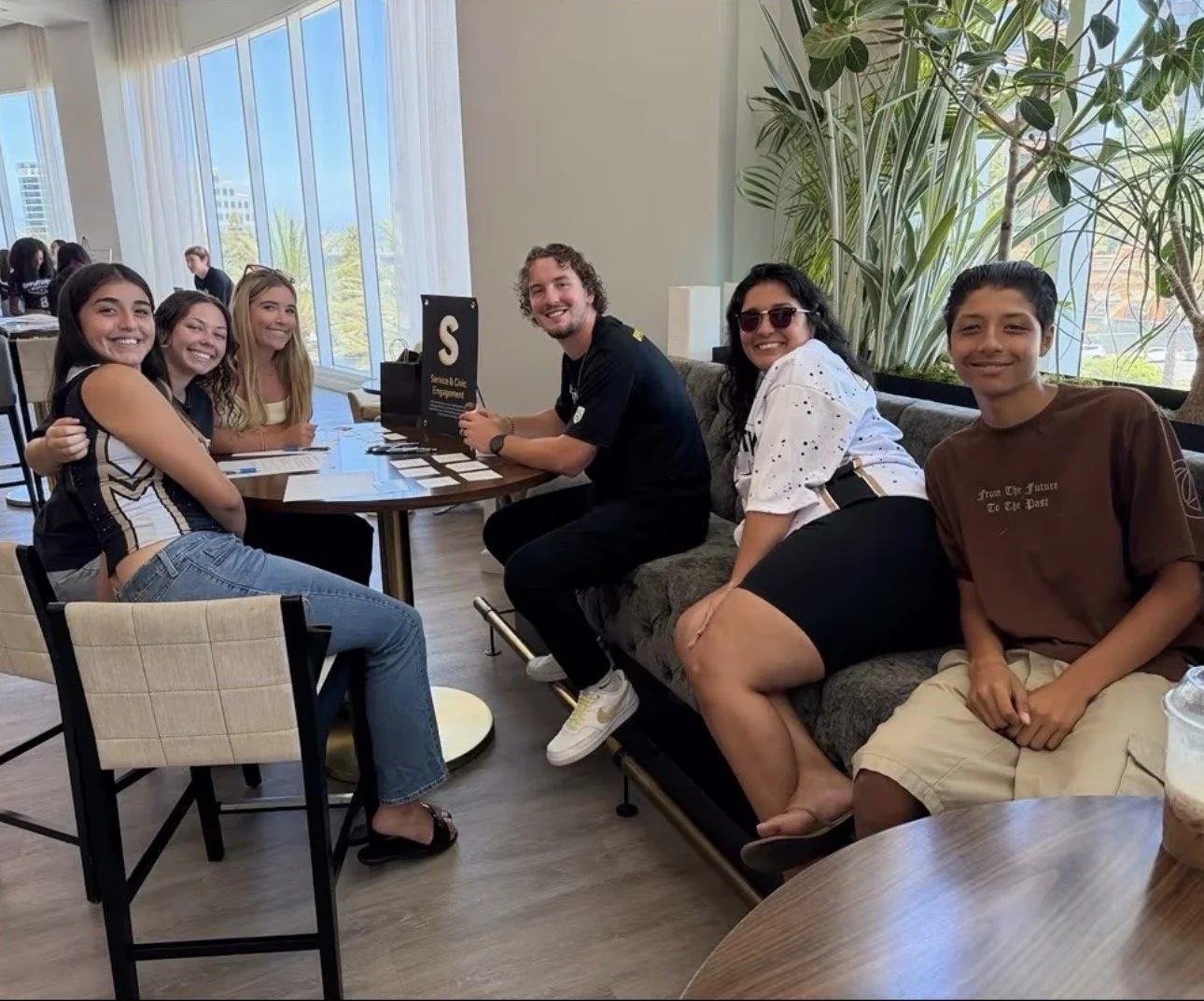
Athletics may be the entry point, but leadership is the destination.
Every Opportunity Academy experience is intentionally designed around five interconnected pillars that develop the whole student-athlete. Rather than teaching these areas separately, we weave them together throughout the year so every experience reinforces the next.
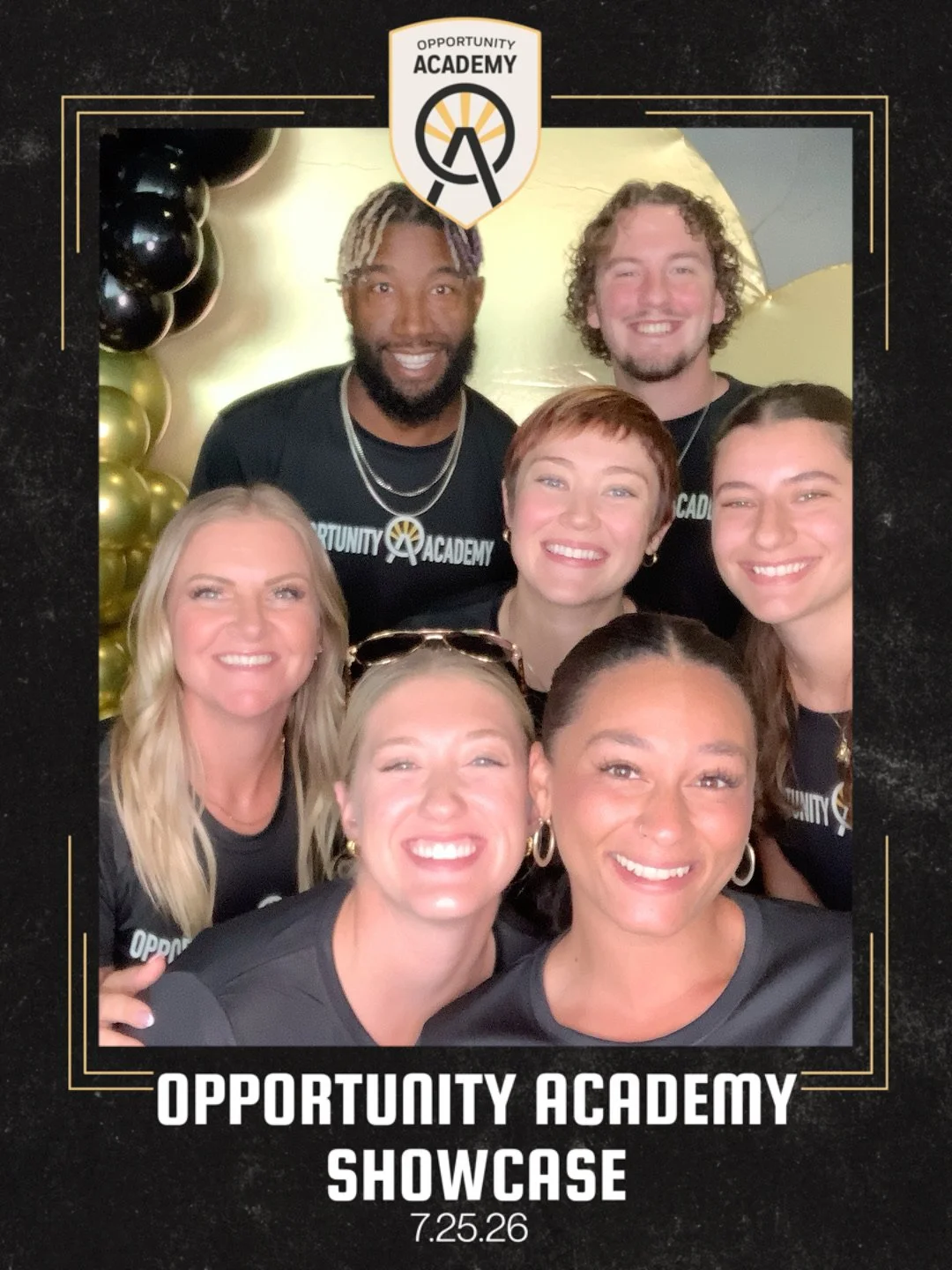
Developing Leaders Beyond the Game
Opportunity Academy develops student-athletes through year-round programming that combines athletics, leadership, mentorship, life skills, and community.
Five pillars. One mission. Endless opportunity.
The Opportunity Academy Experience
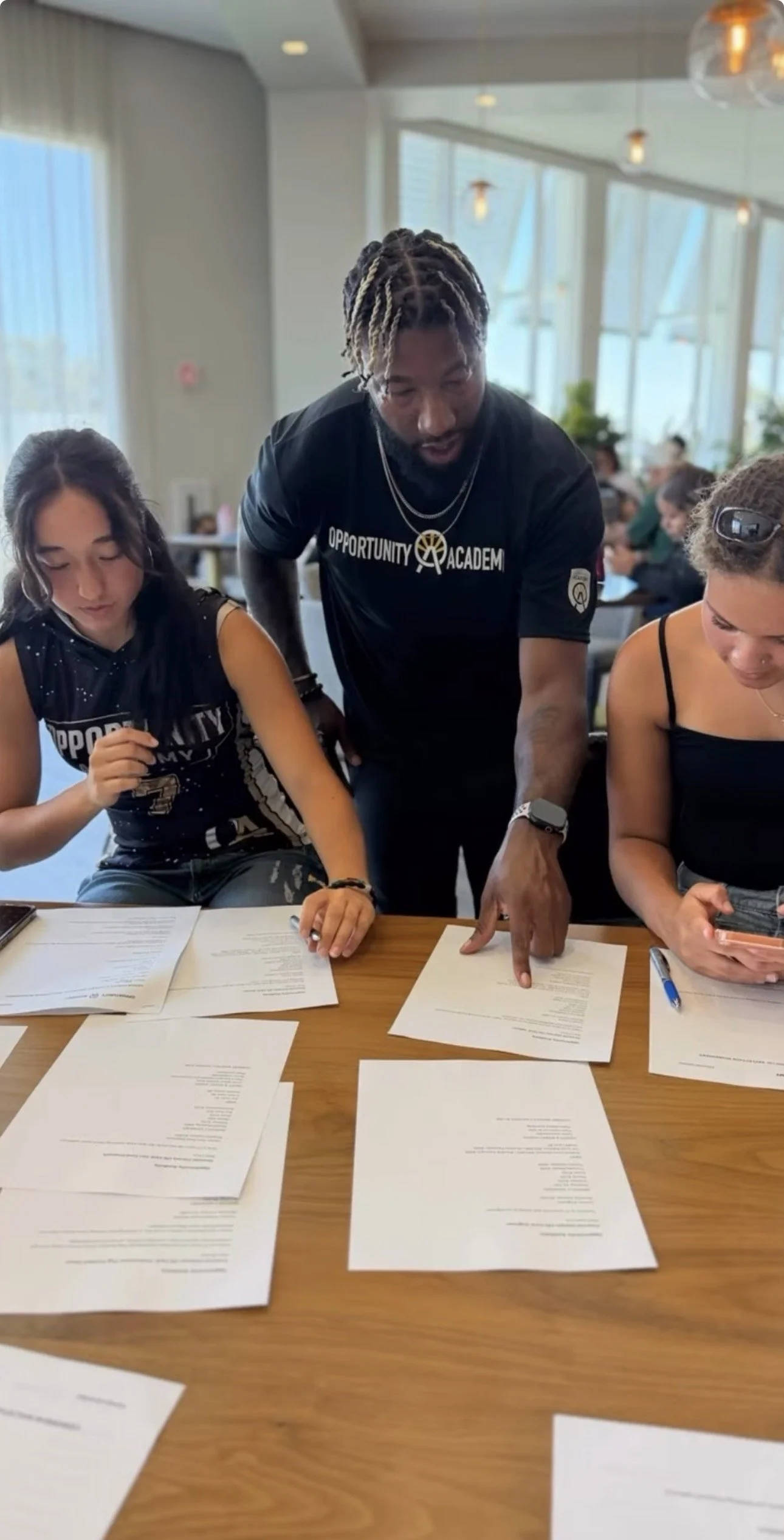
Every Opportunity Academy student participates in programming built around five interconnected pillars. Click each pillar below to learn how we develop the whole student-athlete.
-
Students gain practical money management skills through budgeting, saving, investing, entrepreneurship, credit education, and real-world financial experiences that prepare them for life beyond high school.
-
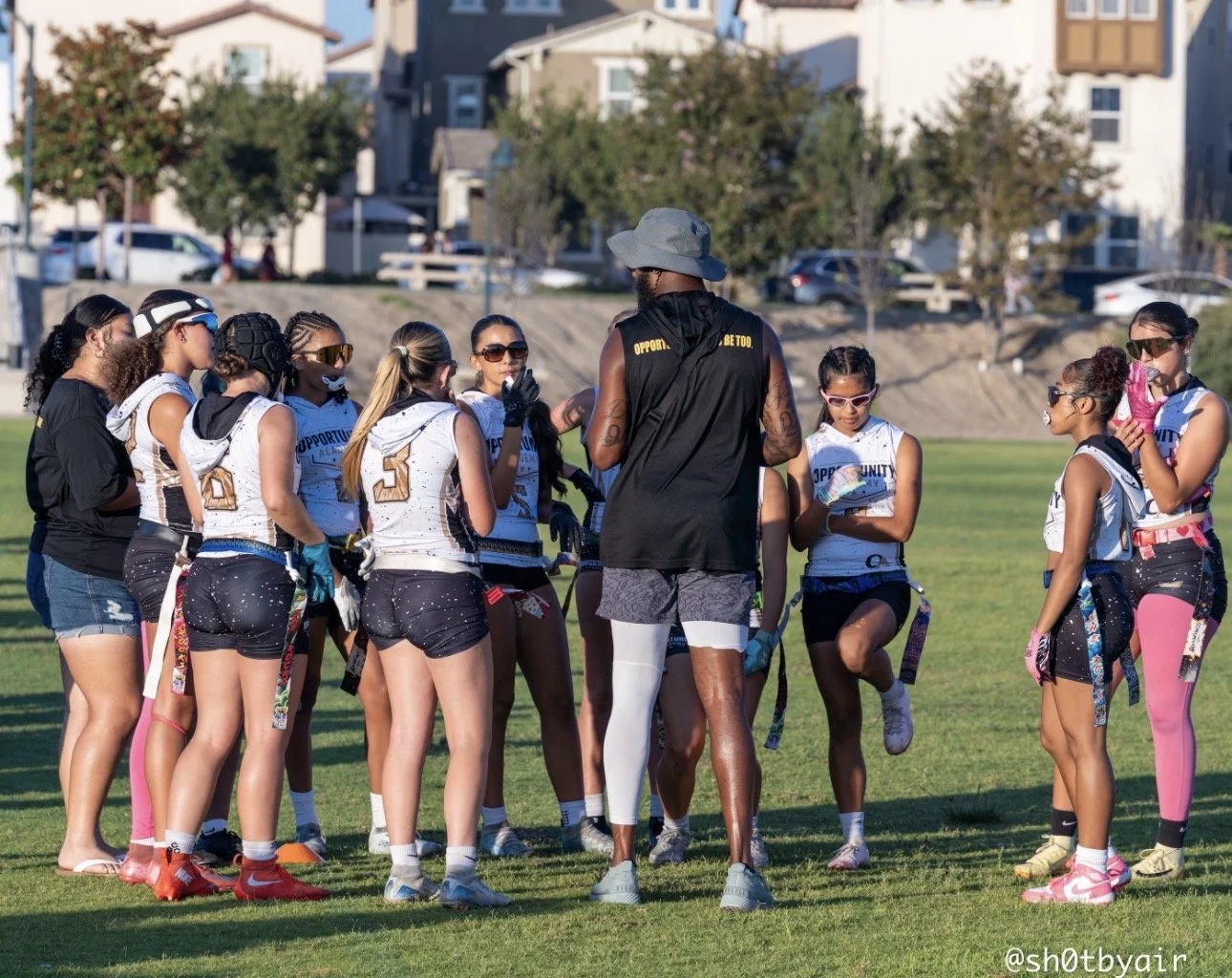
Our coaches and mentors help students build discipline, accountability, confidence, teamwork, and character through meaningful relationships that extend far beyond competition.
-
From career exploration and resume building to interview preparation and college guidance, students develop the tools needed to confidently pursue their future goals.
-
Students build emotional intelligence, resilience, communication skills, confidence, and healthy decision-making through intentional leadership development and guided conversations.
-
Through volunteer opportunities and community projects, students learn the value of compassion, responsibility, and making a meaningful impact in their communities.
Building Community Beyond Programming
Throughout the year, our student-athletes build lasting friendships through social outings, team-building experiences, community service projects, guest speakers, leadership events, and family gatherings. These shared experiences strengthen relationships, build trust, and create a true sense of belonging.
Want to Learn More?
Interested in Opportunity Academy?
We’d love to learn more about your student-athlete and share how the Opportunity Academy experience works.
Complete the short form below and a member of our team will reach out with more information and next steps.
Not ready to inquire? Have a general question?
Contact us at info@opportunityacademysd.org.