

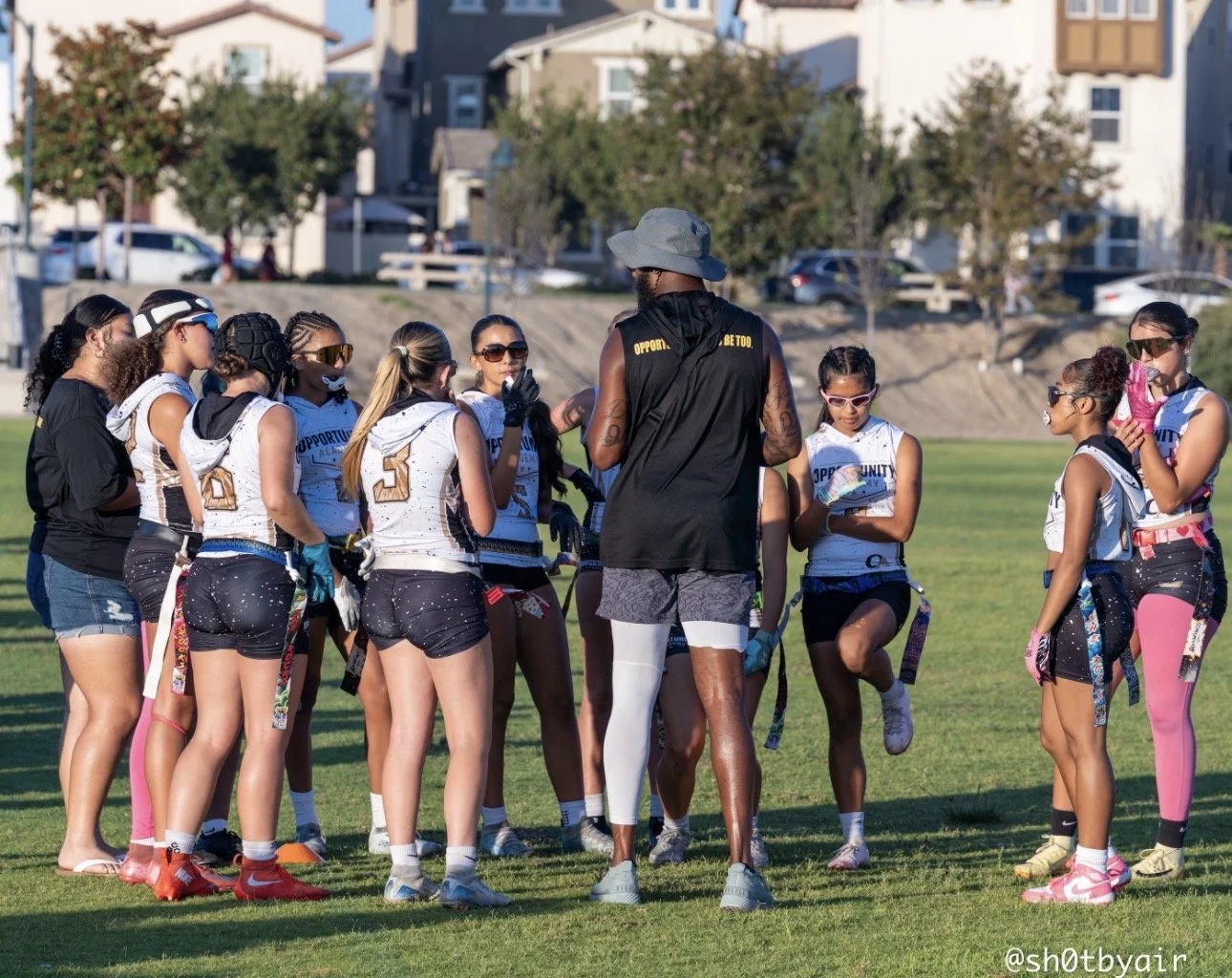
Impact: Access Changes What Is Possible
Potential is everywhere. Access is not.
Talent alone cannot open every door. Access to caring mentors, useful resources, and enriching experiences can help young people see new possibilities and take steps toward them. Opportunity Academy works to help close that gap.
Our impact today
14 youth enrolled
10 receive financial assistance
Financial assistance helps more families participate. Enrolled youth share the same community and program experiences.
What access can open
Sport is one doorway. Through supportive relationships and OA’s five pillars, young people can build practical skills, confidence, and connection to future opportunities.
We build belief. We build leaders. We build futures.
WHY THESE YEARS MATTER
Grades 8–12 are a pivotal stretch. Young people are shaping their sense of belonging, confidence, relationships, and ideas about what comes next. Consistent access to caring adults and meaningful experiences gives them room to try new things, practice skills, and imagine more possibilities.
5.2 MILLION MIDDLE SCHOOLERS ARE MISSING OUT
In 2025, 5.2 million middle school students were not in an afterschool program their parents wanted for them. The finding points to an access gap at the very age when students are beginning the transition into high school. Source: Afterschool Alliance, America After 3PM for Middle School Youth (2025), afterschoolalliance.org/AA3PM/resources/.
1 IN 3 HIGH SCHOOL STUDENTS
In 2025, 33% of U.S. high school students reported persistent feelings of sadness or hopelessness during the previous 12 months. That is an improvement from 40% in 2023, while showing that many teens still need connection and support. Source: CDC, 2025 Youth Risk Behavior Survey, cdc.gov/yrbs/youth-health-in-focus/mental-health.html.
CONNECTION IS A PROTECTIVE FACTOR
CDC analysis of 2023 high school survey data found that students reporting high school connectedness had 30–37% lower prevalence across the mental health and suicide-risk indicators studied. This is an association, not proof that connection alone caused the difference. Source: CDC, Youth Risk Behavior Survey (2023), cdc.gov/mmwr/volumes/73/su/su7304a9.htm.
HOW OPPORTUNITY ACADEMY RESPONDS
Opportunity Academy is building a connected ecosystem around each student. Sport can open the door. Caring relationships, practical learning, emotional support, career exposure, and service reinforce one another so students can build skills and see more possibilities for their future.
ATHLETICS-BASED MENTORSHIP
Year-round athletics give students a consistent team community and regular opportunities to practice discipline, confidence, teamwork, and leadership. Coaches and mentors help students connect what they learn in sport to choices and goals beyond the game.
FINANCIAL LITERACY
Students build practical money skills through learning about budgeting, saving, credit, and everyday financial decisions. These tools help young people make informed choices and prepare for greater independence.
CAREER READINESS
Career panels, writing activities, mock interviews, and exposure to working professionals help students explore options, practice communication, and take concrete steps toward future education and work.
SOCIAL-EMOTIONAL LEARNING
Structured learning and therapeutic support help students build self-awareness, healthy coping skills, communication, and positive relationships. Students have space to reflect, practice, and ask for support as they grow.
SERVICE
Students take part in service that connects them to local needs and gives them a meaningful role in their community. Planning and contributing together helps students practice responsibility, empathy, and leadership.
THE PILLARS WORK TOGETHER
OA’s five pillars are designed to reinforce one another. Athletics builds belonging and gives students a reason to stay engaged. Mentorship, financial skills, career exposure, social-emotional learning, and service turn that connection into wider skills, relationships, and opportunities.